
Building to Exit Event: Six M&A Highlights from Exited Tech Services Founders
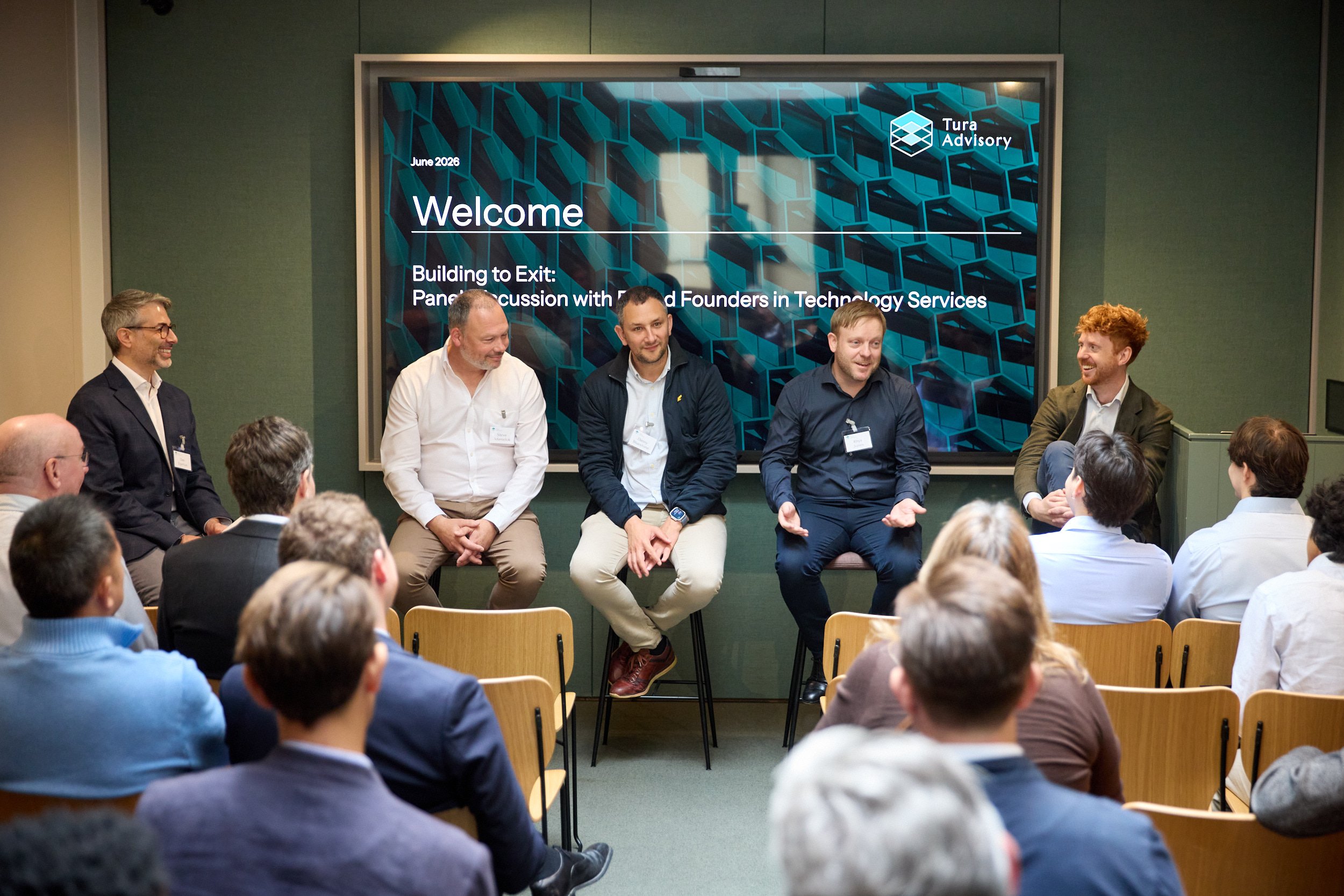
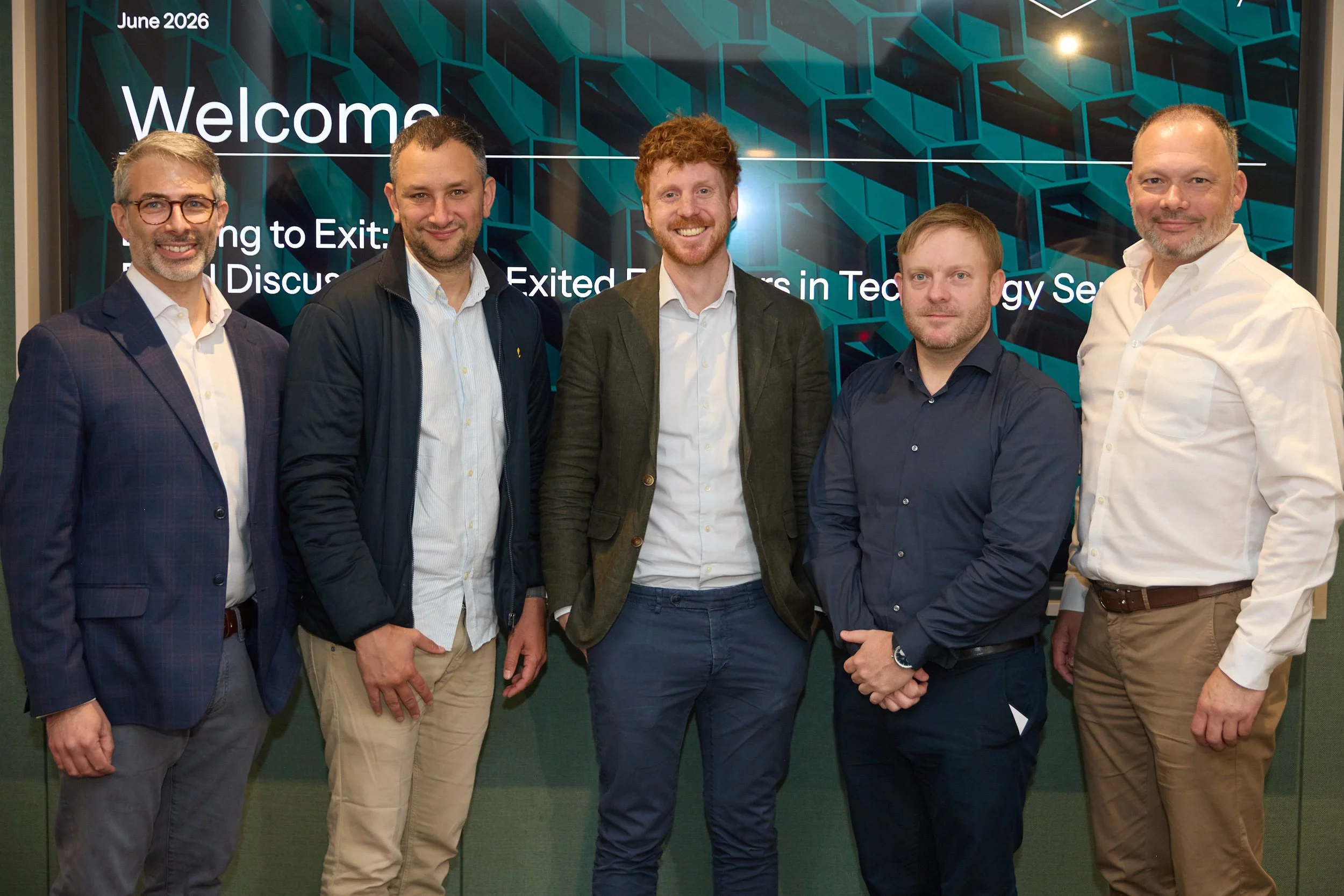
On 3 June, Tura Advisory brought together a panel of founders of technology services businesses at Salisbury House in London. Each member of the panel had been through an exit and shared their candid insights and retrospective on the process, before, during and after.
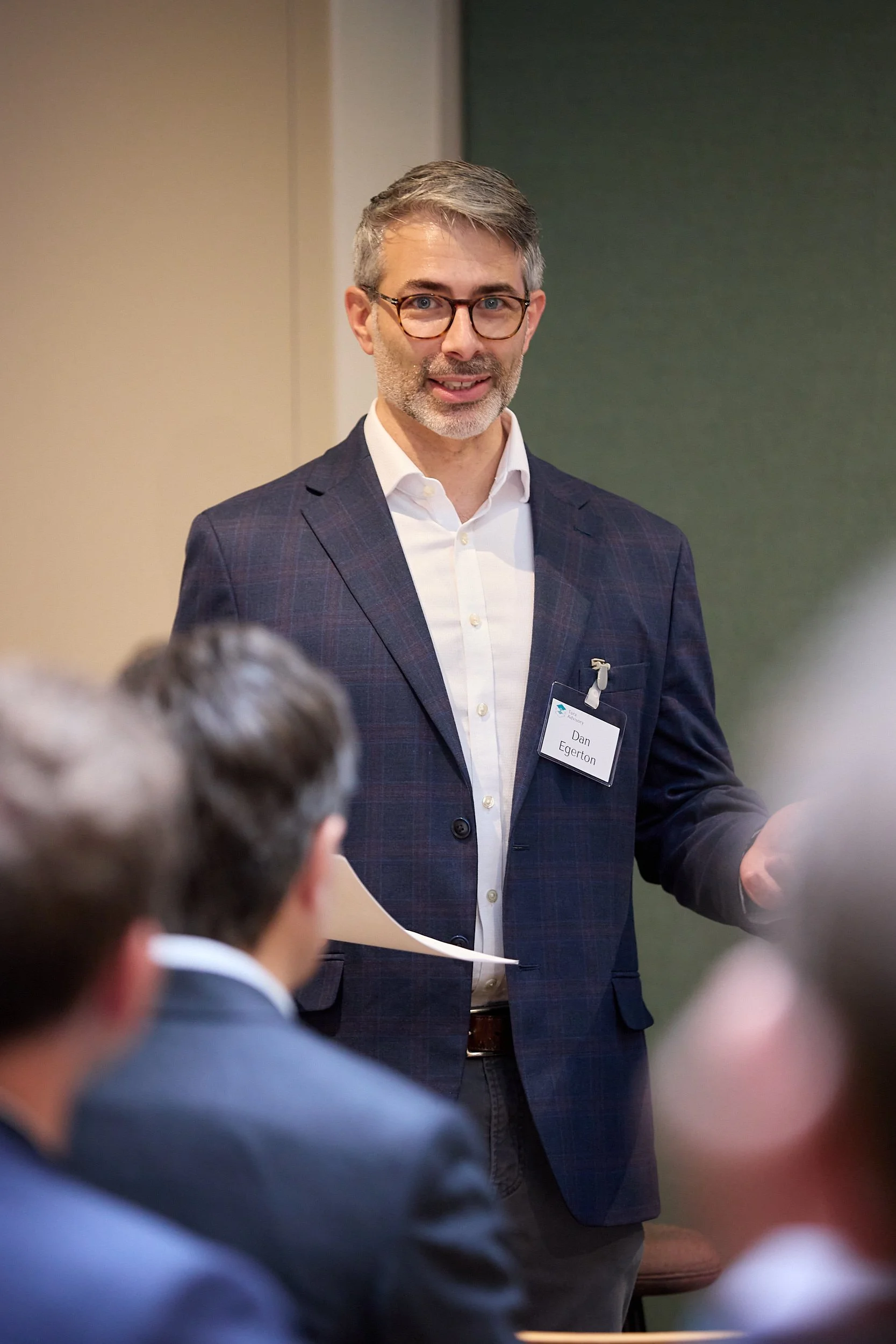
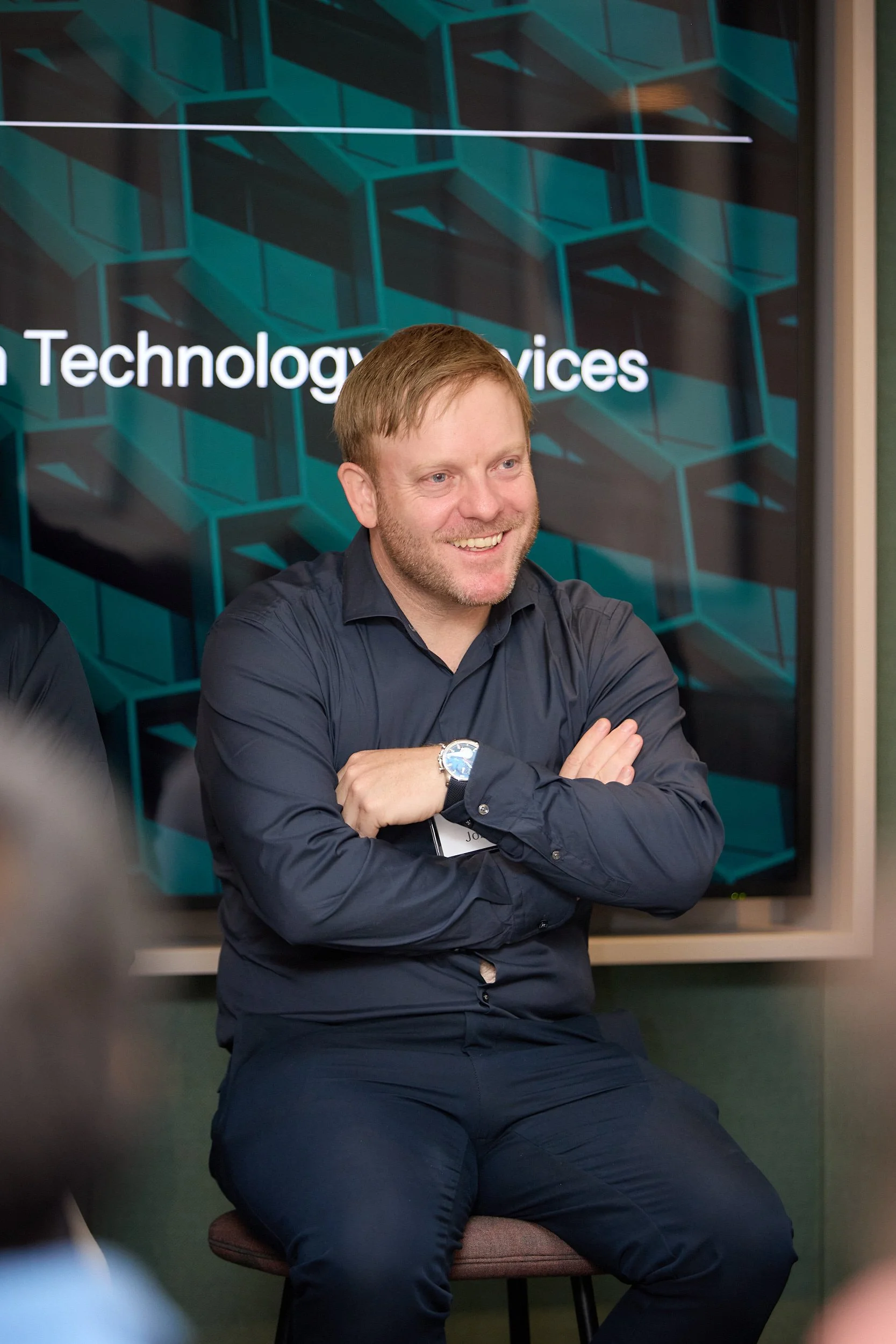
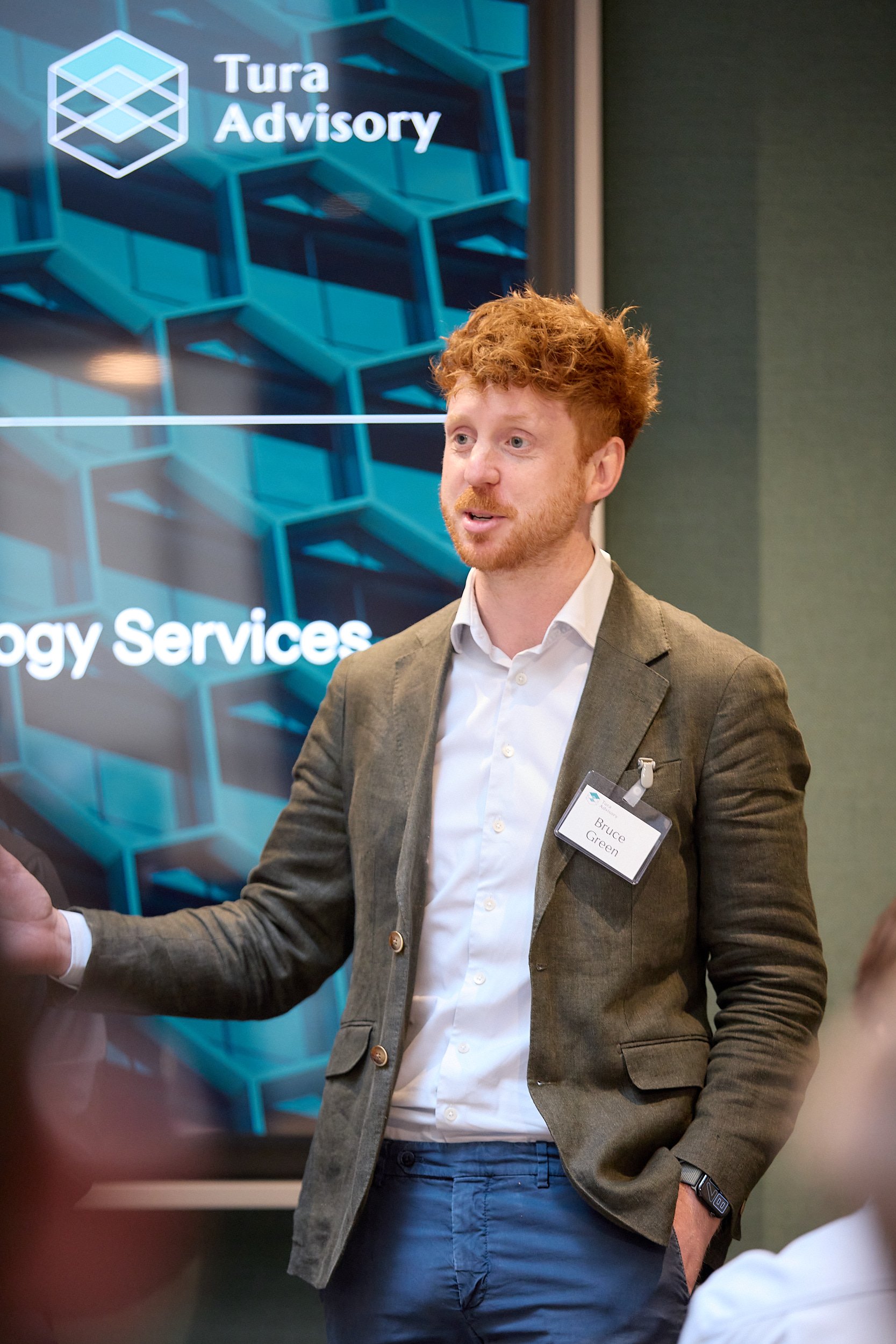
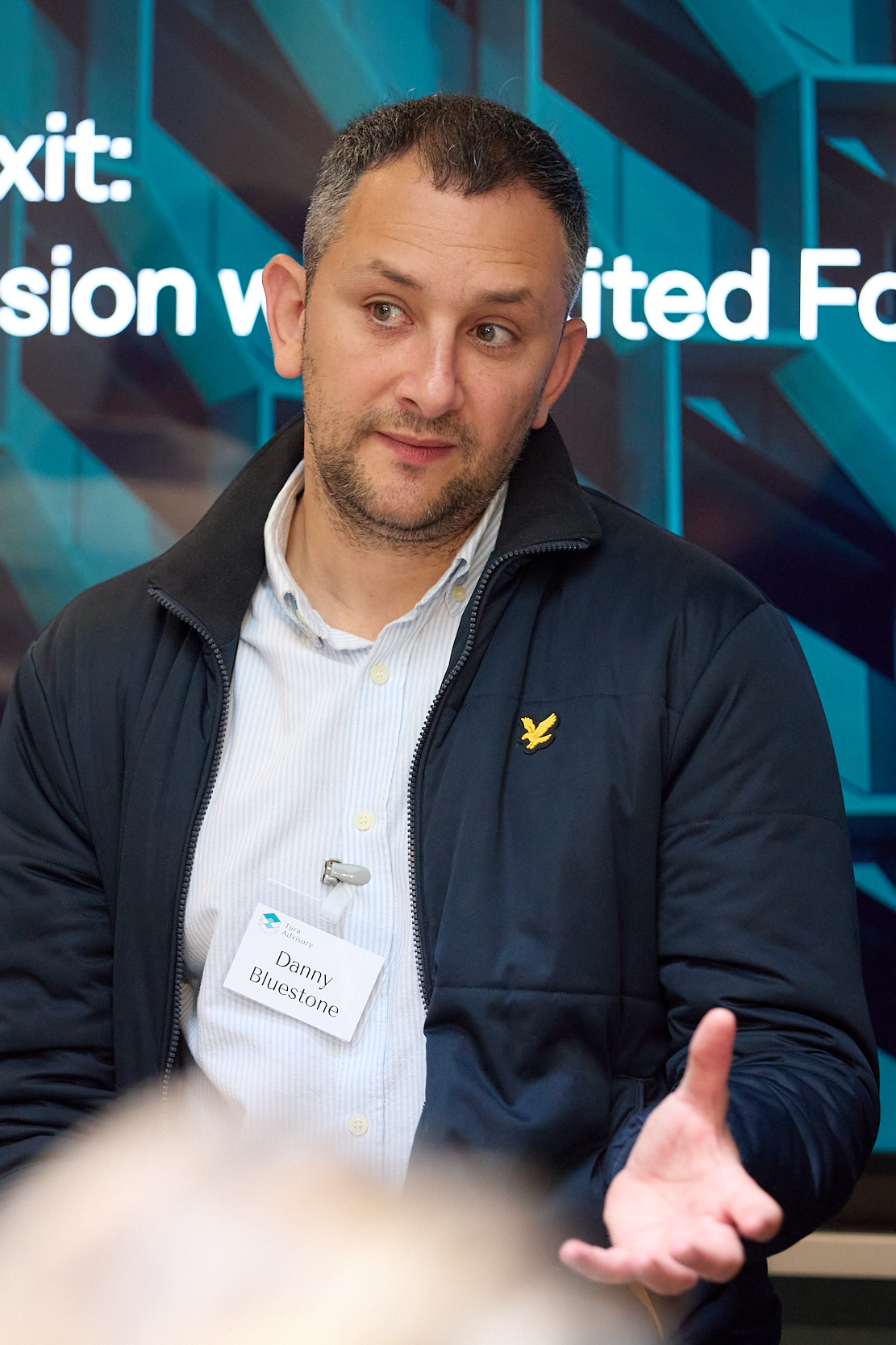
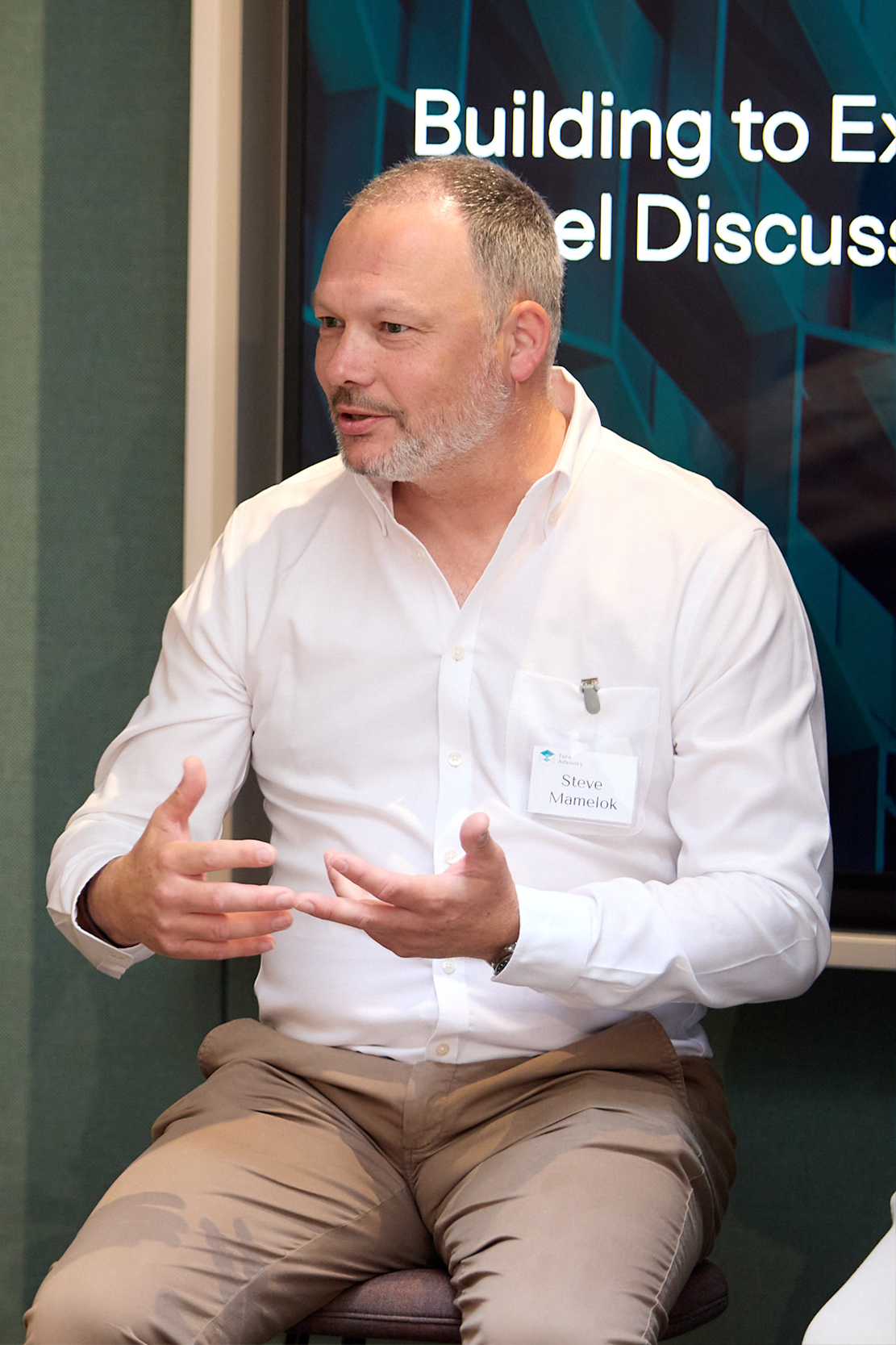
The Building To Exit panel discussion saw Rhys Jones, co-founder of Waivgen (joined Synechron), Steve Mamelok, co-founder and CEO of Unifii (sold to Inetum), and Danny Bluestone, founder and CEO of Cyber Duck (sold to CACI), in conversation with Tura Advisory’s Managing Director, Bruce Green, and moderator Dan Egerton, founder and CEO of Actus Consulting, sharing their experience and advice on the M&A process.
Over an hour of frank conversations, six themes came up consistently.
Highlights:
Build for exit from day one. The discipline it forces makes a better business, whether or not you sell.
Bet on the right tech wave. Catch the upward curve and be honest about the bets that miss.
Pipeline is the buyer's obsession. They want proof the business will grow without you.
Know your numbers. Roughly £1m EBITDA, double-digit margins and growth, ~£100k revenue per head to run a competitive process.
Prioritise what can be secured at signing, while recognising that culture remains a critical, but less predictable, factor.
Don’t go it alone. Bring in advisors early and protect the day-to-day operations with a trusted team around you
1. Build for exit from day one. Even if you never sell
The discussion highlighted contrasting approaches to exit planning. Some founders built their businesses with a clear exit strategy from the outset, shaping decisions around scalability, governance and long-term attractiveness to potential acquirers. In some cases, this included having a clear view of the type of buyer most likely to be interested in the business.
Building with an eventual exit in mind encourages stronger foundations across finance, legal structures and governance. The panel noted that this discipline creates value regardless of whether a transaction ultimately takes place.
Others took a different path, initially building businesses to support a preferred lifestyle or professional ambition, only later adopting an exit-focused mindset following external advice or market interest.
While founders can successfully prepare for an exit at any stage, the discussion suggested that those who incorporate exit considerations from the beginning often benefit from a more straightforward and efficient path when opportunities arise.
2. Pick the right technology wave and time it right
Each panelist attributed their outcome to a strategic bet on the direction of technology.
One focused on leveraging emerging AI capabilities through major cloud providers rather than developing proprietary solutions. Another identified a significant ecosystem opportunity, built deep strategic partnerships around it, and successfully anticipated a market plateau. A third invested early in a growing software framework and complementary design capabilities, while acknowledging that not every strategic decision delivered the expected return.
Ultimately, the value they were able to create and realise was shaped by their ability to identify the right technology trends, commit to them at the appropriate time, and adapt as markets evolved.
3. Pipeline is the buyer’s obsession
A recurring theme throughout the discussion was the importance of pipeline, with particular emphasis on the level of scrutiny it now attracts from potential buyers.
Acquirers are looking for clear evidence that the business can continue to grow without reliance on the founder/s. They want to understand whether revenue is genuinely repeatable and transferable, rather than dependent on personal relationships.
The panel agreed that pipeline visibility is one of the most closely examined areas in diligence, and one of the clearest indicators of whether value will endure beyond the founder’s involvement.
4. Know your numbers, and clear the threshold for a competitive process
The panel discussed the financial characteristics that typically attract interest from acquirers in the technology services sector. While exact thresholds vary by business model and market conditions, scale, profitability and growth were consistently identified as key drivers of buyer interest.
Particular emphasis was placed on achieving strong margins, sustained growth and high levels of revenue productivity. Reaching a meaningful level of scale was seen as an important milestone, often broadening the pool of potential acquirers and increasing competitive tension in a sale process.
The discussion also highlighted that valuation is driven by more than profit alone. Founders were encouraged to focus on the factors that influence valuation multiples, including business quality, predictability of earnings, growth prospects and overall risk profile.
5. Treat the cash up front as the deal. The earn-out is a bonus
When discussing deal structures, the panel shared a consistent view on the importance of certainty. Founders were encouraged to focus primarily on the guaranteed consideration and to view any contingent payments, such as earn-outs, as potential upside rather than proceeds they depend upon. The consensus was that founders should be fully satisfied with the value delivered at completion before agreeing to a transaction.
The discussion also explored the balance between valuation and cultural fit. While positive post-acquisition experiences were shared, the panel emphasised the importance of prioritising factors that can be clearly negotiated and documented during the transaction process. Cultural alignment remains an important consideration, but one that can be difficult to assess fully before completion and may evolve over time following an acquisition.
6. The process is harder than you think, so don’t go it alone
A recurring theme was the demands that a transaction process can place on founders. The panel noted that many founders underestimate how time-consuming and distracting a sale process can become, particularly once buyer engagement begins in earnest and management teams are required to participate in multiple meetings.
The discussion also highlighted common issues that can slow momentum during diligence, including incomplete employee incentive documentation, complex international entity structures and delays caused by the unavailability of key individuals.
The panel emphasised the importance of engaging experienced advisors early and having a trusted management team in place to keep the business operating effectively throughout the process. Founders were also encouraged to avoid navigating key decisions alone. While the emotional and physical demands of a sale process can be significant, the discussion made clear that preparation, support and the right advice can make the experience more manageable and ultimately worthwhile.
Building To Exit: Preparing for the future
Selling a business is one of the most significant decisions a founder will make. The panel on 3 June were candid about that, and about what they wish they’d known going in.
The response from those in the room reflected how rarely that kind of frank, experienced perspective is shared openly. The audience described it as a "fascinating panel and lots of learnings", and “very insightful” with “great speakers and a good conversation.”
Building to Exit is the focus of Tura’s new quarterly newsletter and our ongoing series of founder events. If you’re a founder building a technology services business with an exit in mind, whether that’s now or in a few years time, Tura’s team of specialist advisors are here to help.
Subscribe to the Building to Exit newsletter here, or get in touch with our team of tech services advisors for a confidential discussion about the future of your business.
